

Common Auto Body Repairs and How Much They Typically Cost
Understanding the complexities of vehicle maintenance is an essential aspect of car ownership. From the sudden surprise of a parking lot scrape to the aftermath of a major highway collision, external damage is often an unavoidable part of a vehicle's lifespan. Navigating the world of automotive restoration requires a clear understanding of the different types of structural and cosmetic fixes available, as well as an awareness of how service providers evaluate the scope of work. For many motorists, addressing these issues promptly with professional auto body repairs is about maintaining the structural integrity of their vehicle, not just focusing on the aesthetics.
When facing unexpected damage, car owners must weigh various factors, including the severity of the issue, the specialized techniques required for restoration, and the overall financial commitment involved. Every incident presents a unique set of circumstances, meaning that an approach used for a minor blemish will differ greatly from the methodology required to correct structural misalignment. By gaining insight into the standard processes utilized by professional technicians, drivers can navigate the estimation process with greater confidence. This foundational knowledge allows individuals to make informed decisions, ensuring their vehicle receives the precise care necessary to return to safe operational standards.
Correcting Paint Imperfections
Surface blemishes represent the most frequent type of exterior degradation that drivers encounter. These flaws can originate from a multitude of everyday sources, such as stray shopping carts, low-hanging tree branches, or airborne road debris. Environmental elements like blowing sand and harsh ultraviolet rays can also degrade the outer finish over time, leading to micro-scratches that dull the vehicle's overall luster. The depth of the damage dictates the complexity of the restoration process, as superficial marks might only impact the clear coat, whereas deep gashes can penetrate the base color and the underlying primer layer.
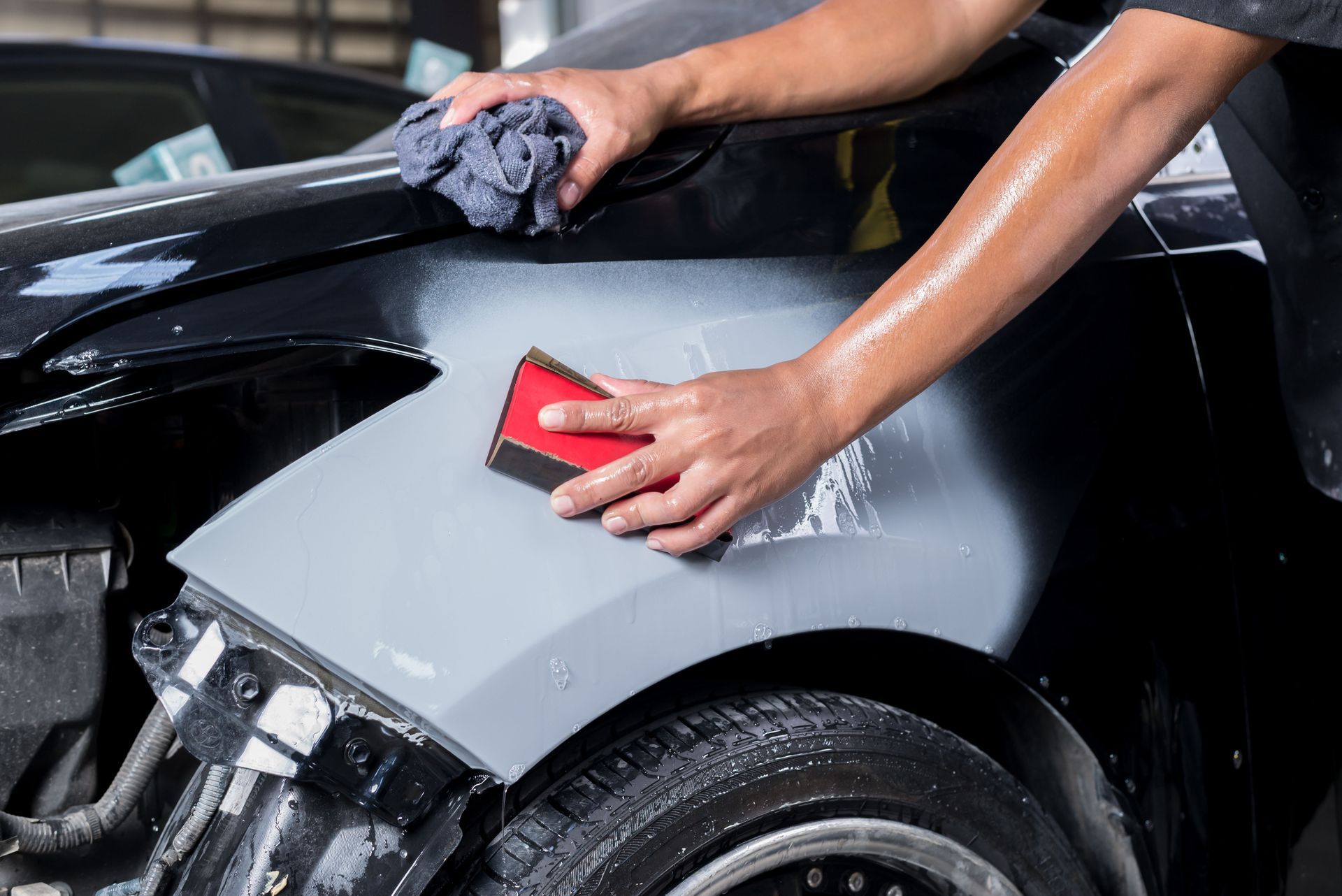
Professional restoration techniques vary depending on how far the scratch has penetrated the exterior layers. For very shallow blemishes, technicians typically employ specialized compounding and machine polishing to gently level the surrounding clear coat until the mark disappears. When the scrape has breached the paint layer, a meticulous process of sanding, priming, color-matching, and repainting the entire panel is required to achieve a flawless finish. In terms of financial outlay, surface polishing is generally considered a highly affordable service, while complete panel repainting represents a significantly more expensive undertaking due to the labor and specialized materials involved.
Realigning Distorted Panels
Impacts that distort the metal or plastic contours of a vehicle create unsightly depressions that require specialized reshaping techniques. These distortions frequently occur in crowded parking situations, during severe weather events involving hail, or from low-speed structural contact. Left unaddressed, deep creases can compromise the elasticity of the metal and crack the outer finish, which eventually exposes the raw substrate to moisture and air. This exposure can trigger long-term deterioration that undermines the structural soundness of the panel, making timely intervention a necessity.
To address these distortions, professionals rely on two primary auto body repairs depending on whether the outer finish remains intact. Paintless dent repair is an elegant technique where technicians use specialized rods and mirroring tools to gently massage the metal back into its original shape from behind the panel. This method is highly favored because it preserves the factory finish and is generally considered a more affordable option for minor dings. Conversely, when the metal is sharply creased or the finish is broken, traditional methods involving structural pulling, specialized body fillers, and complete refinishing become necessary, resulting in a much more expensive service.
Restoring Impact Bumpers
Encountering low-speed collisions often results in significant damage to the front or rear protective structures of a vehicle. Modern bumpers are engineered to absorb the energy of an impact, meaning they frequently crack, tear, or deform to protect the rest of the chassis. The components are typically constructed from thermoplastic or fiberglass composites, which require unique handling compared to traditional sheet metal. Assessing whether a protective component can be safely mended or if it requires a complete replacement is a decision that must prioritize occupant safety above all else.
Minor structural scuffs, shallow gouges, and small punctures can often be mended using plastic welding techniques, structural adhesives, and precise flexible fillers before the entire unit is refinished. However, if the internal mounting tabs are broken or the reinforcement bars behind the cover are compromised, you may need more extensive auto body repairs to preserve the vehicle's crashworthiness. Superficial plastic mending and localized refinishing are generally categorized as moderately priced services, whereas acquiring a brand-new factory component, painting it to match, and recalibrating embedded safety sensors constitutes a highly expensive project.
Replacing Fractured Glass
Maintaining clear, unobstructed visibility is paramount for safe operation, making window and windshield integrity a top priority for any driver. Rocks kicked up by passing semi-trucks or dramatic temperature fluctuations can easily cause small chips that can rapidly expand into sprawling fractures across the viewing area. Modern windshields are also integral to the structural strength of the vehicle's cabin, supporting the roof structure during a rollover event and providing the necessary backing for front airbag deployment. Therefore, even a seemingly minor crack can pose a substantial safety hazard if ignored.
When a technician examines a compromised windshield, the primary objective is to determine if the structural layer of the laminated glass is still secure. Small, isolated chips can frequently be sealed using an advanced liquid resin that fills the void and cures under ultraviolet light, preventing the damage from spreading. If the fracture is extensive or positioned directly in the driver's line of sight, the entire glass assembly must be removed and replaced using high-grade urethane adhesives. Resin sealing is widely recognized as a very affordable preventative service, while a complete glass replacement, particularly on modern vehicles requiring camera recalibration, is an expensive necessity.
Rebuilding Structural Alignment
The most severe category of vehicle restoration involves correcting the hidden structural framework that supports the entire mechanical architecture. Severe collisions exert tremendous forces that can twist, bend, or crush the heavy steel rails that form the foundation of the automobile. Driving a vehicle with a compromised foundation is incredibly dangerous, as it alters suspension geometry, causes uneven tire wear, and prevents the vehicle's crumple zones from managing impact forces correctly in any future incidents. According to Globenewswire.com, the global automotive collision repair market was estimated at $200.1 billion in 2023 and is projected to reach $261.3 billion by 2030.
Correcting this type of profound degradation requires highly sophisticated heavy machinery, including computerized measuring systems and hydraulic pulling platforms. Technicians anchor the vehicle to a rigid framework and utilize multi-directional hydraulic pressure to slowly pull the structural steel back to the exact millimeter specifications set by the original manufacturer. Because this process demands extreme precision, extensive diagnostic scanning, and a high level of expertise, it is universally recognized as the most expensive category of auto body repairs. The sheer volume of labor and specialized equipment required means that structural reconstruction involves a substantial financial commitment.
Maintaining the aesthetic appeal and structural safety of a vehicle demands a proactive approach to addressing exterior damage as soon as it occurs. Neglecting minor surface scratches, distorted panels, or cracked glass can allow small issues to escalate into severe, systemic problems like rust or compromised structural integrity. When the unexpected happens, relying on professional technicians ensures that every restoration project is completed using the proper tools, precise color-matching systems, and certified safety protocols. For comprehensive assistance with
auto body repairs, reach out to Denny & Sons Custom Auto Body Inc today to schedule a professional evaluation and keep your vehicle in peak condition.
Share On: