

The Top 6 Vehicle Problems Auto Repair Shops Handle
For most people, a vehicle is a vital lifeline that connects them to work, family, and essential services. However, even the most reliable car eventually requires professional attention. Modern vehicles are marvels of engineering, but they are subject to immense physical stress and the inevitable wear that comes with every mile driven. When a warning light flickers or a strange noise begins under the hood, most motorists head straight to their trusted automotive technicians. This transition from smooth sailing to a mechanical mystery is a common experience that fuels a massive global industry.
The complexity of these repairs is reflected in the steady growth of the automotive service sector. According to Globenewswire.com, the global automotive collision repair market was estimated at $200.1 billion in 2023 and is projected to reach $261.3 billion by 2030. This surge is driven by accidents and the increasing technical sophistication required to fix modern cars, which often act as high-powered computers. Whether it is a simple maintenance task or a major mechanical overhaul, the expertise found at professional facilities remains indispensable. This guide explores the most frequent issues that lead drivers to seek out local experts.
1. Battery And Electrical System Failures
One of the most frequent reasons drivers visit auto repair shops is to address a dead battery or a malfunctioning electrical system. While a car battery typically lasts between three and five years, its lifespan is shortened by extreme weather or parasitic drains from modern electronics. When a battery fails, it often leaves the driver stranded, requiring a jump-start or a total replacement. However, the battery rarely works in isolation; it functions in tandem with the alternator and the starter, both of which eventually require professional diagnosis.
In recent years, the electrical systems in vehicles have become exponentially more complex, moving beyond simple lighting. Today's technicians must navigate a web of sensors and control modules that manage everything from fuel injection to infotainment. Corroded terminals, blown fuses, and failing alternators can trigger a cascade of warning lights that confuse the average car owner. Because these issues can mimic more serious mechanical failures, a professional electrical diagnostic is essential to pinpoint the root cause and prevent the unnecessary replacement of expensive parts.
2. Brake System Wear And Maintenance
Brakes are arguably the most critical safety feature on any vehicle, and their maintenance is a top priority for reputable auto repair shops. Because brakes rely on friction to stop thousands of pounds of moving metal, the pads and rotors are designed to wear down over time. Drivers often notice the need for service when they hear high-pitched squealing or feel a vibration through the steering wheel. Neglecting these early warning signs can lead to metal-on-metal contact, which decreases stopping power and turns a simple pad replacement into a much more costly rotor repair.
Beyond the physical pads, the hydraulic side of the braking system requires regular attention to ensure consistent performance. Brake fluid absorbs moisture from the air over time, which can lead to internal corrosion and a spongy pedal feel. Professional shops perform fluid flushes to maintain the integrity of the lines and ensure that the anti-lock braking system functions correctly. Regular brake inspections are a cornerstone of preventative maintenance, allowing technicians to catch thin pads or leaking lines before they compromise the safety of the driver and their passengers.
3. Check Engine Light Diagnostics
Few things cause more immediate anxiety for a driver than the illumination of the check engine light. This icon can represent anything from a loose gas cap to a catastrophic internal engine failure, making it a primary driver of business for auto repair shops. Modern vehicles are equipped with On-Board Diagnostics systems that monitor dozens of sensors throughout the powertrain. When a sensor detects a reading that falls outside of the programmed parameters, it triggers a trouble code that tells the technician which system is struggling.
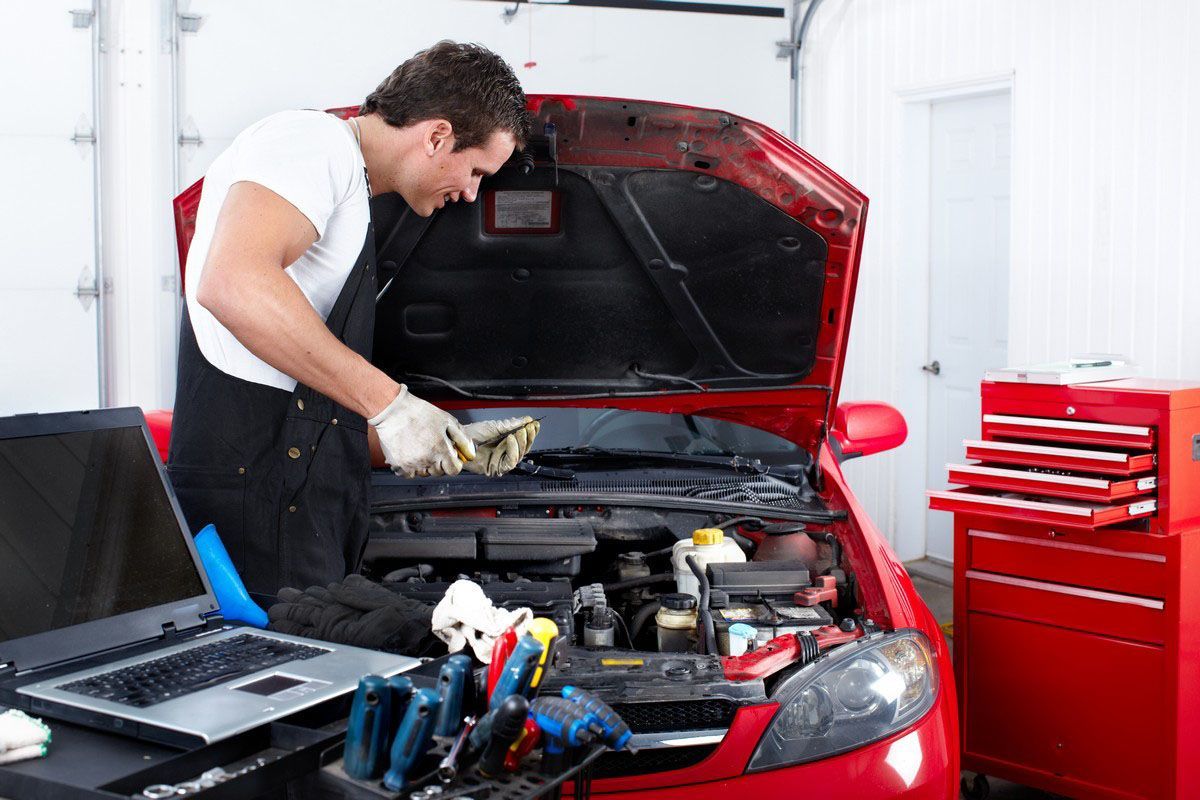
Common culprits for this warning light include faulty oxygen sensors, failing catalytic converters, or issues with the mass airflow sensor. Because these components are vital for maintaining fuel efficiency and reducing emissions, ignoring the light can lead to poor engine performance. Technicians use advanced scanning tools to read the codes and then perform manual tests to verify the failure. This process ensures that the repair is targeted and effective, restoring the vehicle to its optimal operating state and clearing the light for the next emissions inspection.
4. Cooling System Leaks And Overheating
An overheating engine is a recipe for disaster, often leading to warped cylinder heads or a blown head gasket if not addressed immediately. Auto repair shops frequently see vehicles with cooling system failures, which are often caused by leaking hoses, a cracked radiator, or a malfunctioning water pump. Coolant is the lifeblood of this system, circulating through the engine to absorb heat and then releasing it through the radiator. When the coolant level drops or circulation is interrupted, the internal temperature of the engine can skyrocket within minutes.
Preventive maintenance is the best defense against cooling system failures, as many components are made of rubber that degrades over time. Professional technicians look for crusty deposits around hose connections or small puddles of fluid under the vehicle as early indicators of a leak. By performing regular coolant flushes and pressure tests, shops can ensure that the system remains airtight and capable of handling summer heat. Replacing a cheap thermostat is a minor inconvenience compared to the thousands of dollars required for a full engine rebuild following an overheat.
5. Suspension And Steering Component Issues
The suspension and steering systems are responsible for keeping your tires in contact with the road and ensuring the vehicle goes exactly where you point it. Over time, components like ball joints, tie rod ends, and shock absorbers take a beating from potholes and uneven road surfaces. When these parts wear out, the vehicle may wander across the lane or produce loud clunking noises over bumps. These issues are more than just a nuisance; they lead to unpredictable handling and significantly increased tire wear.
When a driver brings their car into auto repair shops for suspension work, the technician performs a comprehensive inspection of all bushings and linkages. If one part of the steering geometry is loose, it can throw off the entire alignment, causing the tires to scrub against the road and wear out prematurely. Once the faulty components are replaced, a precision wheel alignment is typically required to reset the angles to factory specifications. This dual approach of mechanical repair and digital alignment ensures a smooth, stable ride and protects the homeowner's investment in high-quality tires.
6. Transmission And Drivetrain Problems
The transmission is one of the most complex and expensive components in any vehicle, acting as the bridge that translates engine power into wheel movement. When a transmission begins to fail, drivers may experience slipping gears, delayed engagement, or harsh shifting patterns. Because modern transmissions are controlled by sophisticated software and solenoids, many issues are electronic rather than purely mechanical. However, if these problems are left unaddressed, the internal friction clutches can burn out, leading to a total loss of drive and a very expensive repair bill.
In addition to the transmission, other drivetrain components like CV axles and universal joints are high-traffic areas for auto repair shops. CV boots are made of rubber and can tear over time, allowing the lubricating grease to escape and road grit to enter the joint. This leads to a distinct clicking sound when turning and can eventually cause the axle to snap if not replaced.
When you are facing mechanical uncertainty or need a routine check-up, professional assistance is just a phone call away. Our team specializes in diagnosing the complex issues that modern vehicles face, utilizing the latest technology to get you back behind the wheel as quickly as possible. We pride ourselves on transparent communication and high-quality craftsmanship, ensuring every repair meets the rigorous demands of today’s driving conditions. Do not let a small problem turn into a roadside emergency. To schedule your next service or diagnostic appointment, contact Denny & Sons Custom Auto Body Inc.

Share On: